
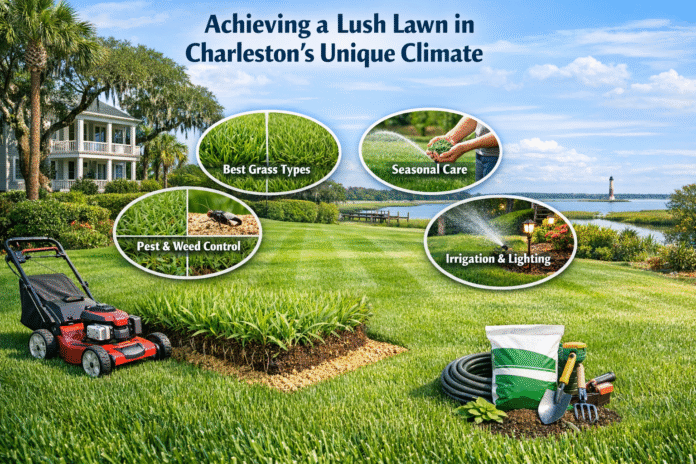

Charleston, South Carolina, with its historic charm and picturesque landscapes, presents a unique set of challenges and opportunities for homeowners striving for a beautiful lawn. The Lowcountry’s distinctive climate, characterized by high humidity, salty air, and often sandy soils, demands a specialized approach to lawn care. Achieving a vibrant, healthy lawn here isn’t just about regular mowing; it requires an understanding of local conditions and a commitment to tailored maintenance practices. A well-maintained lawn significantly enhances curb appeal, provides a welcoming outdoor space, and contributes to the overall beauty of this coastal region.
Understanding the specific environmental factors at play is crucial for successful lawn management in the Charleston area. The region’s subtropical climate, marked by hot, humid summers and mild winters, profoundly impacts grass health and growth. Furthermore, the varying soil compositions, from sandy coastal plains to more loamy inland areas, dictate nutrient retention and drainage. For those seeking expert guidance and comprehensive solutions tailored to these local conditions, professional services like those offered by Yard Art Landscaping can provide invaluable support in navigating these complexities and ensuring your lawn thrives year-round.
Understanding Charleston’s Climate and Soil
The Lowcountry’s climate is a double-edged sword for lawns. The abundant sunshine and warmth promote vigorous growth, but the accompanying high humidity and heat can also create a breeding ground for pests and diseases. Warm-season grasses, which are predominant in this region, are well-adapted to these conditions, but they still require careful management to prevent issues like fungal infections and heat stress. The proximity to the ocean also means that some areas may experience salt spray, which can negatively impact certain grass types and plant life.
Soil composition is another critical factor. Many areas in Charleston feature sandy soils, which drain quickly and can lead to nutrient leaching. While good drainage is generally beneficial, excessively sandy soils may struggle to retain moisture and essential nutrients, requiring more frequent irrigation and fertilization. Conversely, some inland areas might have heavier clay soils, which retain water more effectively but can become compacted, hindering root development and oxygen exchange. Understanding your specific soil type through a soil test is the first step toward developing an effective fertilization and watering plan.
Best Grass Types for the Lowcountry
Choosing the right grass type is fundamental to a successful lawn in Charleston. Warm-season grasses are the only viable option for sustained health and vigor in this climate. Each type has its own characteristics, making it suitable for different homeowner preferences and property conditions. Here are the most popular and effective choices for the Lowcountry:
St. Augustinegrass
St. Augustinegrass is a popular choice, particularly for its excellent shade tolerance, making it ideal for properties with mature trees or partial shade. It forms a dense, carpet-like turf with broad, flat blades, effectively suppressing weeds. While it thrives in warm, humid conditions, it can be susceptible to chinch bugs and fungal diseases if not properly maintained. It requires moderate fertilization and consistent watering, especially during dry spells.
Bermudagrass
For lawns that receive full, direct sunlight, Bermudagrass is an outstanding option. Known for its exceptional durability, drought tolerance, and rapid growth, it can withstand heavy foot traffic and recover quickly from damage. Bermudagrass creates a fine-textured, dense turf with a beautiful deep green color. However, its aggressive growth habit means it requires frequent mowing and can be prone to thatch buildup. It also needs regular fertilization to maintain its lush appearance.
Zoysiagrass
Zoysiagrass offers a premium, luxurious lawn experience. It forms a very dense, soft turf that is highly tolerant of drought, heat, and moderate shade. Zoysia is known for its excellent weed suppression due to its thick growth and requires less frequent mowing than Bermudagrass. While it establishes more slowly and can be more expensive initially, its low maintenance requirements and superior aesthetics make it a favored choice for many. It is also quite resistant to pests and diseases.
Centipedegrass
Often referred to as the “lazy man’s grass,” Centipedegrass is valued for its low maintenance needs. It has a light green color and a coarse texture, growing slowly and requiring less fertilization and mowing compared to other warm-season grasses. Centipede is moderately shade tolerant and performs well in sandy, acidic soils, which are common in the Lowcountry. However, it is less tolerant of heavy traffic, cold temperatures, and high pH soils, and can be susceptible to iron deficiencies.
Essential Seasonal Lawn Care Schedule
Effective lawn care in Charleston is a year-round endeavor, with specific tasks tailored to each season to ensure optimal health and appearance. Following a seasonal schedule helps address the changing needs of your lawn as temperatures and weather patterns shift.
Spring (March – May)
Spring is a critical time for awakening your lawn from its winter dormancy. As soil temperatures rise, warm-season grasses begin to green up. This is the ideal time for aeration, which involves perforating the soil to allow air, water, and nutrients to penetrate the grass roots. Aeration helps alleviate soil compaction, especially in clay-heavy areas, and promotes stronger root development. Following aeration, apply a pre-emergent herbicide to prevent the germination of summer annual weeds like crabgrass. The first fertilization of the year should also occur in spring, providing essential nutrients for vigorous growth. Mowing should begin as the grass starts to grow actively, adhering to the recommended height for your grass type.
Summer (June – August)
Charleston summers are hot and humid, putting significant stress on lawns. Proper mowing heights are crucial during this period; generally, keeping the grass slightly taller helps shade the soil, retain moisture, and promote deeper root growth. Irrigation management becomes paramount; deep, infrequent watering is more effective than shallow, frequent watering, encouraging roots to grow deeper into the soil. Water early in the morning to minimize evaporation and reduce the risk of fungal diseases. Summer is also a peak time for pest control, with chinch bugs, armyworms, and grubs being common culprits. Regular monitoring and timely treatment are essential to prevent widespread damage.
Fall (September – November)
As temperatures begin to cool, fall is a time for recovery and preparation for winter. If you have cool-season grasses (less common in Charleston but sometimes used for overseeding), overseeding can be done to fill in thin areas. For warm-season grasses, a late-season fertilization with a balanced fertilizer can help strengthen roots and improve winter hardiness. Continue leaf removal diligently, as fallen leaves can smother grass and create conditions for fungal growth. Adjust mowing heights as growth slows, gradually lowering it for the final cuts before dormancy.
Winter (December – February)
Winter in Charleston is generally mild, but warm-season grasses will enter dormancy, turning brown. During this period, focus on dormancy care and equipment maintenance. Reduce or cease mowing, as growth is minimal. Avoid heavy foot traffic on dormant grass to prevent damage. This is an excellent time to service your lawnmower and other equipment, ensuring they are ready for the spring growing season. While active lawn care is minimal, occasional watering during prolonged dry spells can prevent dehydration, especially for newly established lawns.
Professional Mowing and Maintenance Techniques
Beyond the seasonal schedule, specific techniques in mowing and general maintenance can significantly impact your lawn’s health and appearance. Professional practices ensure that your lawn not only looks good but also remains resilient against environmental stressors.
The 1/3 Rule for Mowing
One of the most important mowing principles is the “1/3 rule”: never remove more than one-third of the grass blade’s height in a single mowing session. Removing too much at once stresses the grass, making it more susceptible to disease and pests. Adhering to this rule promotes healthier growth, a denser turf, and a more uniform appearance. This often means more frequent mowing during peak growing seasons.
Importance of Sharp Blades
Using a mower with sharp blades is crucial. Dull blades tear the grass blades rather than cleanly cutting them, leaving jagged edges that turn brown and make the lawn look unhealthy. These torn edges also make the grass more vulnerable to diseases. Sharpening your mower blades regularly, typically every 20-25 hours of use, ensures a clean cut and a healthier, greener lawn.
Edging and Trimming for a Polished Look
While mowing covers the main areas, edging along sidewalks, driveways, and flower beds, and trimming around obstacles like trees and fences, provide the finishing touches that elevate a lawn from ordinary to immaculate. These practices create crisp lines and a neat appearance, significantly enhancing the overall curb appeal of your property. Consistency in edging and trimming is key to maintaining a professional look.
Flower Bed Maintenance and Weed Suppression
Lawn care extends beyond just the grass. Flower bed maintenance is integral to a cohesive landscape. This includes regular weeding, pruning of shrubs, and ensuring proper mulching. Effective weed suppression in flower beds prevents unwanted plants from competing with your desired ornamentals for nutrients and water. Hand-pulling weeds, applying pre-emergent herbicides, and maintaining a thick layer of mulch are all effective strategies.
Advanced Landscaping Solutions
For homeowners looking to further enhance their outdoor spaces, several advanced landscaping solutions can improve both aesthetics and functionality, complementing a well-maintained lawn.
Mulching and Pine Straw
Mulching and the application of pine straw are not just for aesthetics; they offer significant benefits for soil health and plant vigor. A layer of mulch or pine straw helps retain soil moisture, reducing the need for frequent watering. It also suppresses weed growth, regulates soil temperature, and as it decomposes, adds organic matter to the soil, improving its structure and fertility. These materials create a clean, finished look for flower beds and around trees.
Irrigation System Optimization
An efficient irrigation system is vital for maintaining a healthy lawn and landscape, especially during Charleston’s dry periods. Optimizing your system involves ensuring proper coverage, checking for leaks, and adjusting watering schedules based on seasonal needs and rainfall. Smart irrigation controllers that use local weather data can significantly reduce water waste and ensure your lawn receives the right amount of water at the right time. Regular maintenance and winterization are also crucial for the longevity of your system.
Landscape Lighting
Landscape lighting can dramatically transform your outdoor space, extending its usability and enhancing its beauty after sunset. Strategic placement of lights can highlight architectural features, illuminate pathways for safety, and showcase your garden’s best elements. Beyond aesthetics, lighting adds a layer of security to your property. From subtle path lights to dramatic uplighting, landscape lighting creates an inviting ambiance and increases your home’s nighttime curb appeal.
Common Lawn Problems in Charleston and How to Fix Them
Even with the best intentions, lawns in Charleston can encounter various problems due to the challenging climate. Recognizing these issues early and knowing how to address them is key to preventing widespread damage.
Fungal Diseases
The high humidity and warm temperatures in Charleston create an ideal environment for fungal diseases such as Brown Patch and Large Patch. These diseases often appear as irregular brown or yellow patches on the lawn. Proper watering practices (deep and infrequent, in the morning), good air circulation, and appropriate fertilization can help prevent their onset. Fungicides may be necessary for severe outbreaks, but cultural practices are the first line of defense.
Common Weeds
Weeds are a constant battle for Charleston homeowners. Common culprits include crabgrass, dollarweed, clover, and various broadleaf weeds. A multi-pronged approach is most effective: pre-emergent herbicides in spring to prevent germination, post-emergent herbicides for existing weeds, and manual removal for stubborn invaders. A dense, healthy lawn is naturally more resistant to weed invasion, as it crowds out unwanted plants.
Pest Management
Several pests can wreak havoc on Charleston lawns. Chinch bugs feed on grass blades, causing yellowing and browning, often in sunny, dry areas. Grubs, the larvae of beetles, feed on grass roots, leading to wilting and easily pulled-up turf. Fire ants are a nuisance and can create unsightly mounds. Integrated pest management (IPM) strategies, which combine cultural practices, biological controls, and targeted insecticide applications, are the most sustainable way to manage these pests.
Conclusion
Achieving and maintaining a beautiful, healthy lawn in Charleston’s unique climate is a rewarding endeavor that significantly enhances your home’s appeal. It requires a blend of understanding local environmental factors, selecting appropriate grass types, adhering to a seasonal care schedule, and employing effective maintenance techniques. While the challenges of humidity, soil variations, and common pests are real, they are entirely manageable with the right knowledge and approach.
Investing in professional lawn care services can transform your outdoor space, ensuring your lawn remains a lush, vibrant testament to the beauty of the Lowcountry. For comprehensive and tailored lawn care solutions in Charleston and surrounding areas, consider visiting lawncareservicecharleston.com. With expert care, your lawn can become a source of pride and enjoyment for years to come.